
Volvo to implement Nvidia solutions for hands-free driving
The autopilot will be able to fully navigate urban streets, read traffic light signals, and interpret road signs
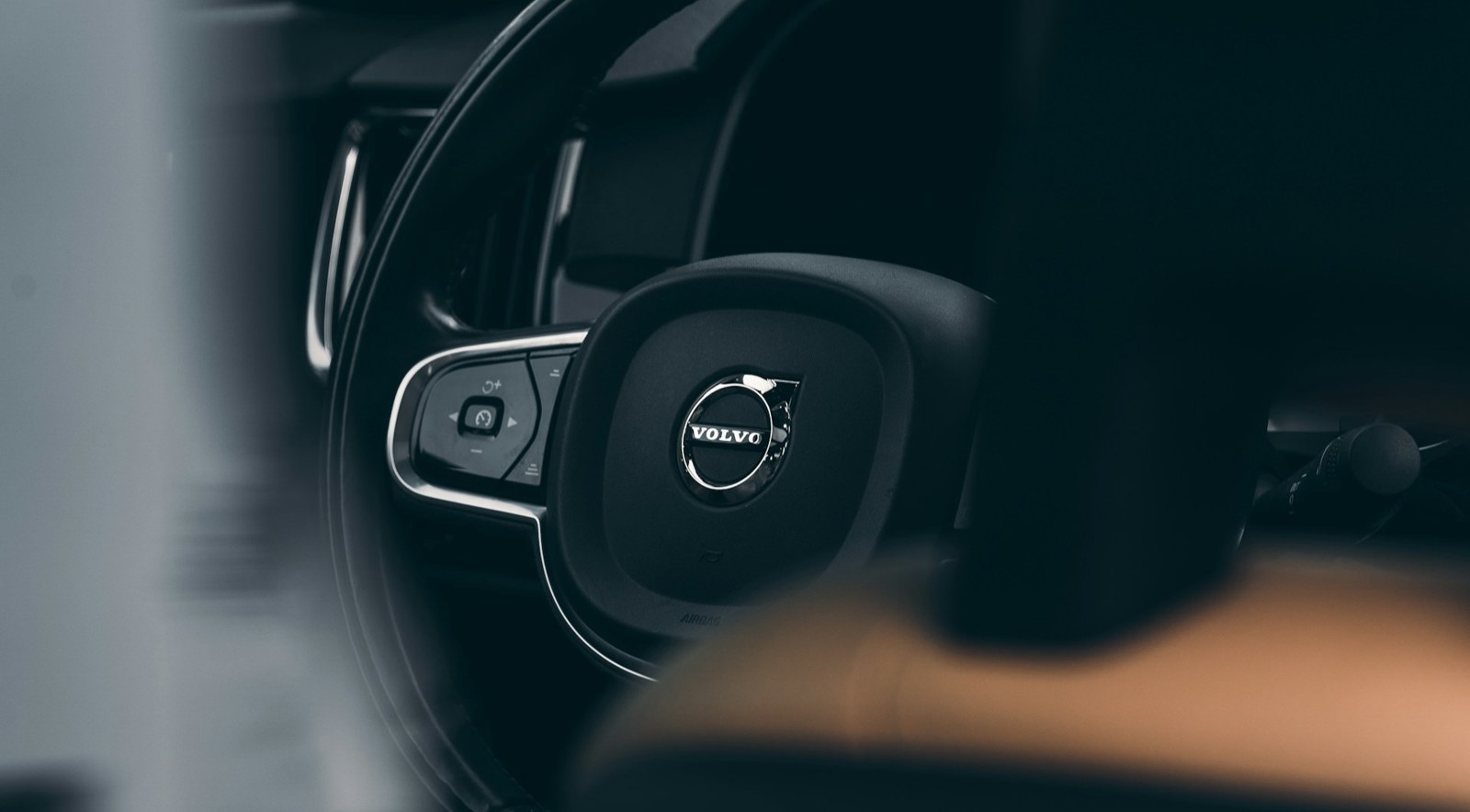
The technological foundation of the project will be the Nvidia Hyperion hardware complex, which includes powerful computational chips and a 360-degree array of sensors. Meanwhile, the Alpamayo software platform will handle processing complex road scenarios, independently making decisions about maneuvering through turns, accelerating, or braking. Initially, lidar will not be included in the sensor package, though the companies do not rule out the possibility of its integration at later stages.
Volvo will contribute its own developments to the overall ecosystem—specifically, advanced algorithms for monitoring the driver's condition, which assess human behavior significantly more deeply than standard fatigue control assistants. Additionally, the brand's electric vehicles will be able to exchange information with each other about traffic jams, roadworks, and other hazards on the route, significantly expanding the autopilot's "visibility" range.
The new technology is planned to be introduced across Volvo's entire model range—from entry-level to flagship vehicles—though the automaker has not yet named the first models to feature the program. Nvidia expects that the joint project will help Volvo establish an effective business model based on subscriptions and regular sales of software services.