

AI opportunity gap could worsen global inequality, UN representative warns
Deputy Secretary-General of the International Telecommunication Union Tomas Lamanauskas noted the weak representation of developing countries in AI infrastructure.
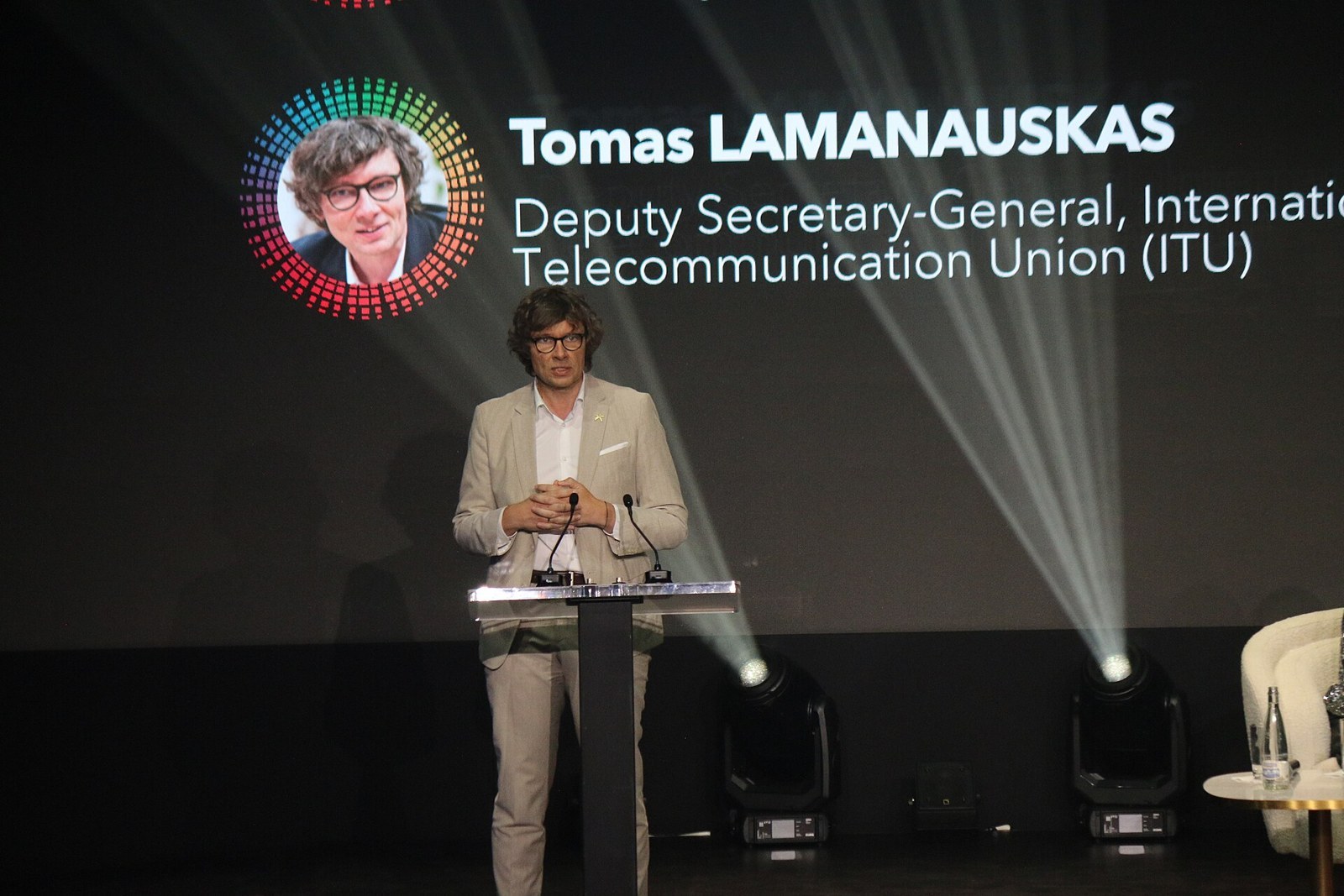
Artificial intelligence has the potential to accelerate economic development, but the benefits of the technology are distributed unevenly. Lamanauskas stated this at the World Investment Forum in Doha.
The problem begins with basic infrastructure. Around 2.2 billion people remain without internet access, and Africa and Latin America together account for only 3.3% of the world's data center capacities. Under such conditions, countries find it more difficult to adopt AI and develop their own digital services.
The spread of technologies also varies: approximately 29% of people of working age in developed countries use generative AI, compared to 16% in developing countries. This gap affects opportunities for increasing productivity and accessing employment.

Language presents an additional barrier. According to data cited by Lamanauskas, AI translation tools cover only 7% of African languages. Therefore, the availability of technology does not necessarily mean that local residents can use it fully.
Connectivity alone is not enough
According to the International Telecommunication Union's estimates, ensuring universal full access to digital technologies by 2030 will require between 2.6 and 2.8 trillion dollars. This sum includes not only building infrastructure but also improving service accessibility, digital skills training, and regulatory enhancement.
This approach assumes that investments in networks must be accompanied by preparing people to use them. Otherwise, technical connectivity will not eliminate differences in opportunities.
Lamanauskas considers halting AI development unrealistic. Instead, he calls for investing in infrastructure, education, and technology application rules so that developing states can participate in their advancement and benefit from them.