
“There is no inevitable dystopia” — Jeanette Winterson on AI and humanity’s future
The writer believes that the consequences of AI depend on political and economic decisions, not on the technology itself
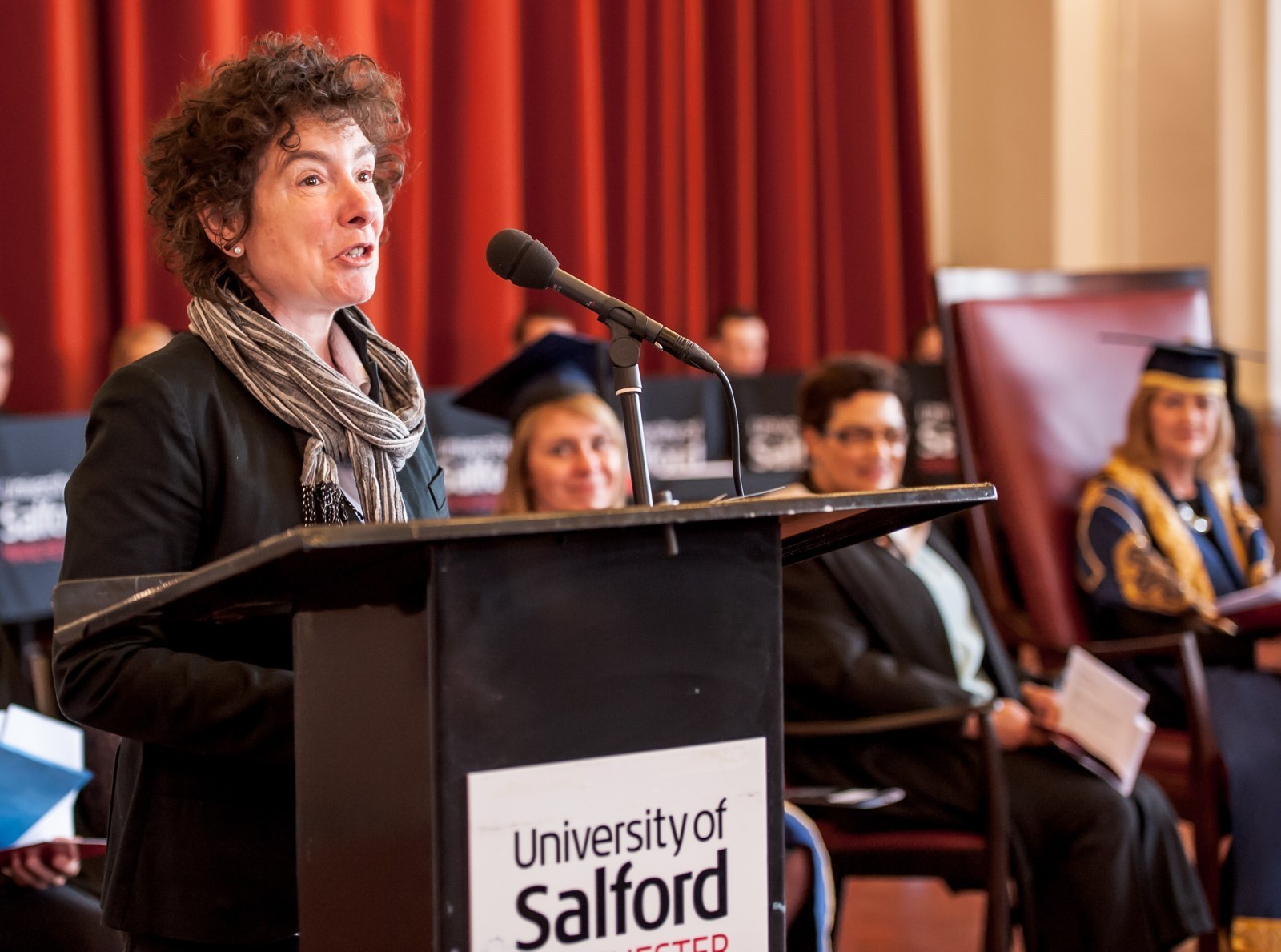
British writer Jeanette Winterson believes that the development of artificial intelligence does not condemn humanity to unemployment, inequality and the power of technology monopolies. In an interview with The Guardian, she called the present moment an opportunity to change the structure of society — provided that people consciously choose how to use new technologies.
Winterson has long addressed this subject. In the novel The Stone Gods, she described a world of humans and robots after a climate catastrophe, while in the essay collection 12 Bytes she examined the impact of AI on human life. Now the writer is primarily interested in which abilities and decisions people will retain as automation spreads.
In her view, the scale of what is happening is comparable to the Industrial Revolution. However, technological progress in itself does not guarantee that the majority will receive its benefits. Winterson fears a repetition of a situation in which growing wealth is accompanied by a concentration of power and a worsening of conditions for a significant part of society.

At the same time, she sees another scenario. AI could help improve transport, public utilities and the organisation of work, freeing up people’s time. The question, the writer believes, is whether these opportunities will become a way to improve quality of life or merely a tool for cutting costs.
Winterson links concerns about the disappearance of jobs primarily to political and economic decisions. She criticises the notion that continuous employment must necessarily remain the main meaning of human life, even when technology makes it possible to distribute the workload differently.
The writer also sees the monopolisation of AI as a separate threat. If control over systems becomes concentrated in the hands of a small number of companies, society risks becoming dependent on their interests and ideas about the future. Therefore, in her view, discussing technology requires the participation of people outside the industry itself.
Winterson assigns education an important role. She advocates developing independent thinking, creativity, the ability to ask questions and argue one’s position. In this approach, the humanities, art, mathematics and the natural sciences complement one another.
At the same time, the writer is not proposing simply preserving the existing university system. She believes that education needs to define its goals more clearly: preparing a person for a specific profession, supporting personal development and teaching people to understand the world in which they will have to live.
Winterson also proposes involving artists and public intellectuals more actively in discussions about the future. In her view, their ability to imagine alternatives is important in a situation where technological decisions increasingly determine everyday life.
The writer acknowledges the possibility of an unfavourable outcome. But she considers it a mistake to view it as predetermined: the future with AI remains the result of human choice, for which people will have to take responsibility.