

10 games that are excessively drawn out to their own detriment
Monotonous tasks, fragmented storylines, protracted final chapters, and the need for grinding turn some campaigns into endurance tests.
Longer playtime does not always make a game a better value for the buyer. Some projects stretch out the adventure through repetitive quests, side stories, and mechanics that gradually become tiresome.
In Dragon Quest 7, individual islands turn into multi-hour episodes with their own heroes and plots. Grand Theft Auto 4, by contrast, relies on a grim tone and similar shootouts, making it feel longer than Grand Theft Auto: San Andreas. In Yakuza 5, the disparate stories of the heroes barely intersect until the very end.
Assassin’s Creed Odyssey overloads the main story with fortress-clearing, long-distance travel, and leveling up. Assassin’s Creed Valhalla repeats this approach: conquering regions is accompanied by monotonous tasks and gradually pushes the overarching plot into the background.
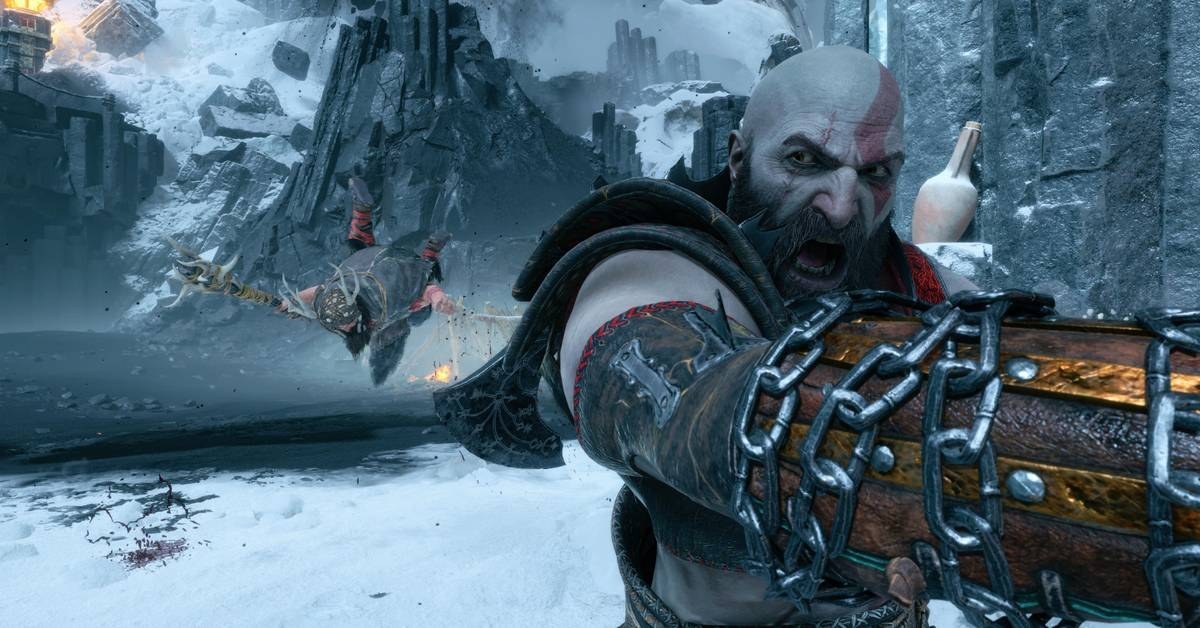
In Tales of Arise, the drawn-out final section replaces character development with lengthy explanations and frequent boss battles. God of War: Ragnarök combines numerous side missions and cutscenes, while Days Gone sends the hero into post-apocalyptic Oregon, where he searches for resources and defends survivors from various threats.