
Hackers Reach Refrigerators: European Supermarkets Discard Food
Several European countries experienced refrigeration equipment failures amid reports of cyberattacks. In one Swedish store, temperature settings were changed to +50°C.
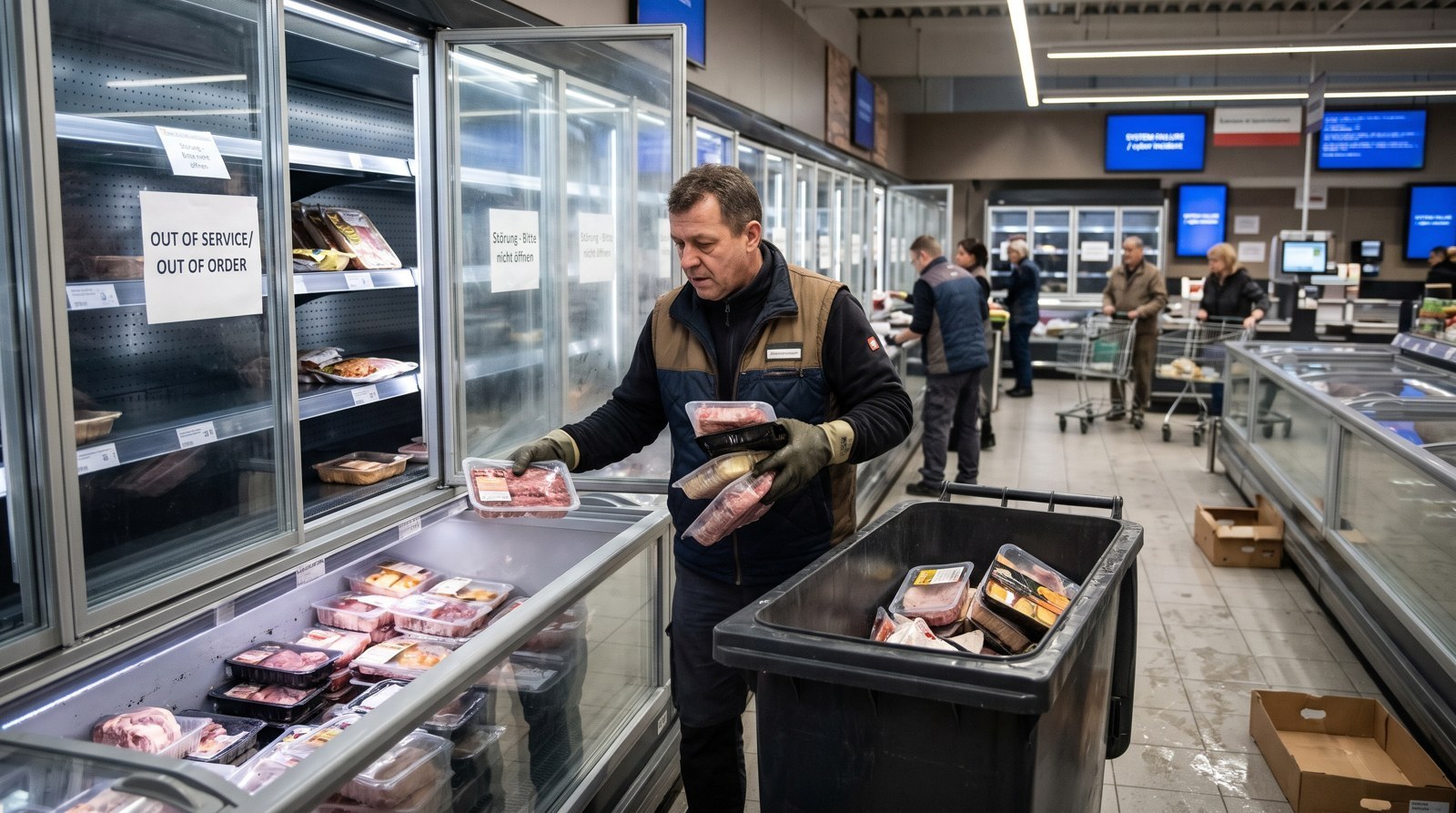
Supermarkets in several European countries faced disruptions in the operation of refrigerators and freezers. The incidents occurred on the night of November 2. Some stores were forced to remove products from sale and write off spoiled stock.
One of the most notable cases occurred at an ICA Kvantum store in the Swedish city of Sjöbo. According to its manager, unknown individuals changed the refrigeration equipment settings to +50°C, after which it was impossible to restore normal mode through the control system.
This value refers to the equipment settings: published reports do not confirm that the products actually heated to such a temperature.

The disruptions also affected other retail chains. Coop reported issues in seven stores in Sweden: equipment either shut down completely, operated partially, or, in one case, began generating heat. In Belgium, Carrefour confirmed disruptions in 15 stores, while Ahold Delhaize reported issues in several dozen locations in Belgium and Luxembourg.
Reports also came from Ireland and Estonia. In some cases, products were removed from sale as a precautionary measure, so not all withdrawn goods can automatically be considered spoiled.
Industrial refrigeration equipment is connected to remote management systems to monitor temperature, conduct maintenance, and receive emergency alerts. Compromising such access allows direct interference with the operation of the units.
Similar attacks occurred in France in October. At that time, attackers altered the operating modes of refrigeration systems, including defrosting, which led to food loss.
No connection between all the incidents has been established yet. It is unknown whether a single group was involved or if the same method of penetration was used. The total damage from the November attacks also remains to be assessed.