
Efforts to Save Swift Fail: NASA Observatory Ends Nearly 22-Year Orbital Journey
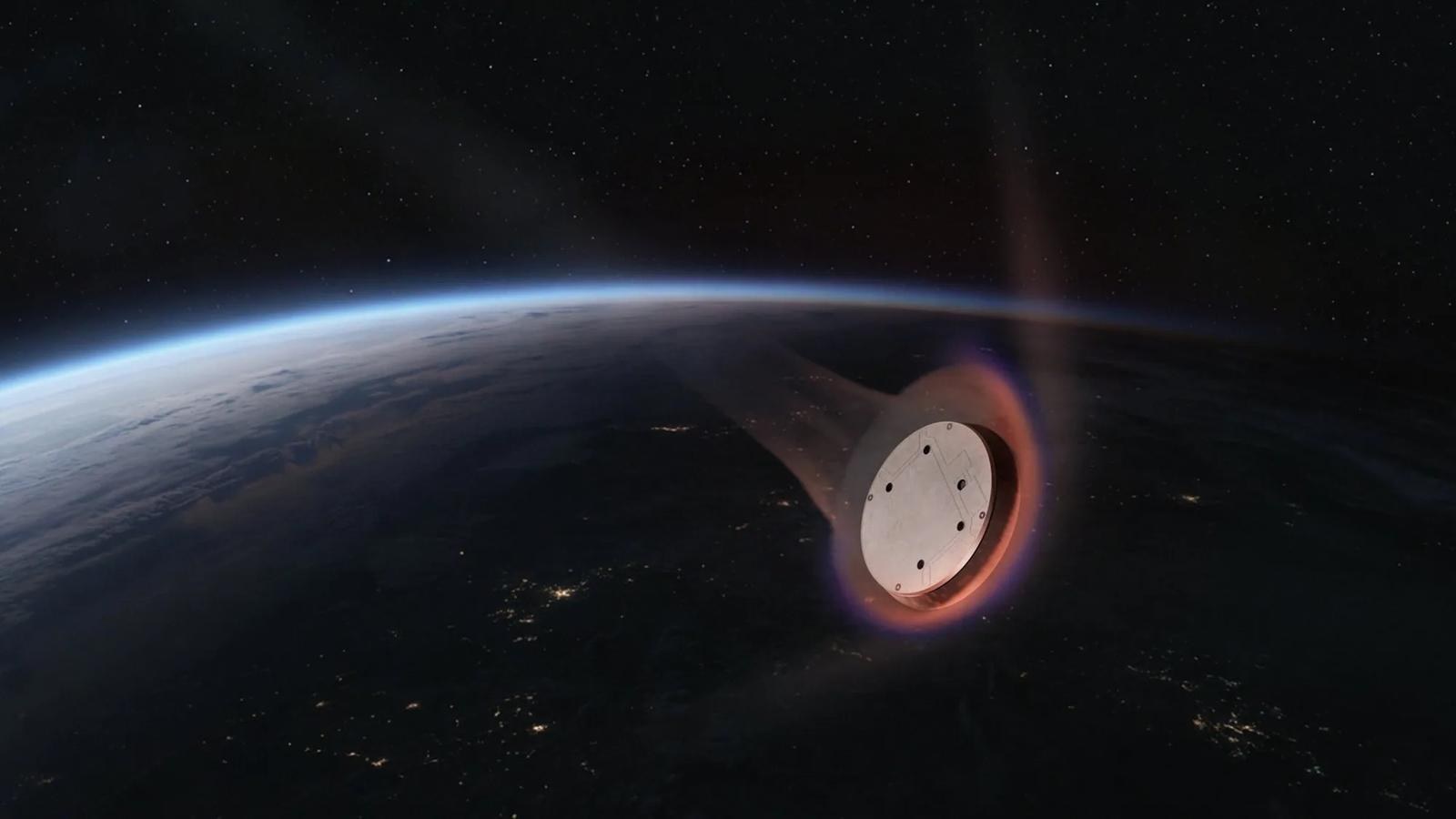
According to a NASA forecast, the spacecraft is expected to re-enter the atmosphere on November 4. Most of the observatory will burn up, but some components may reach Earth's surface.
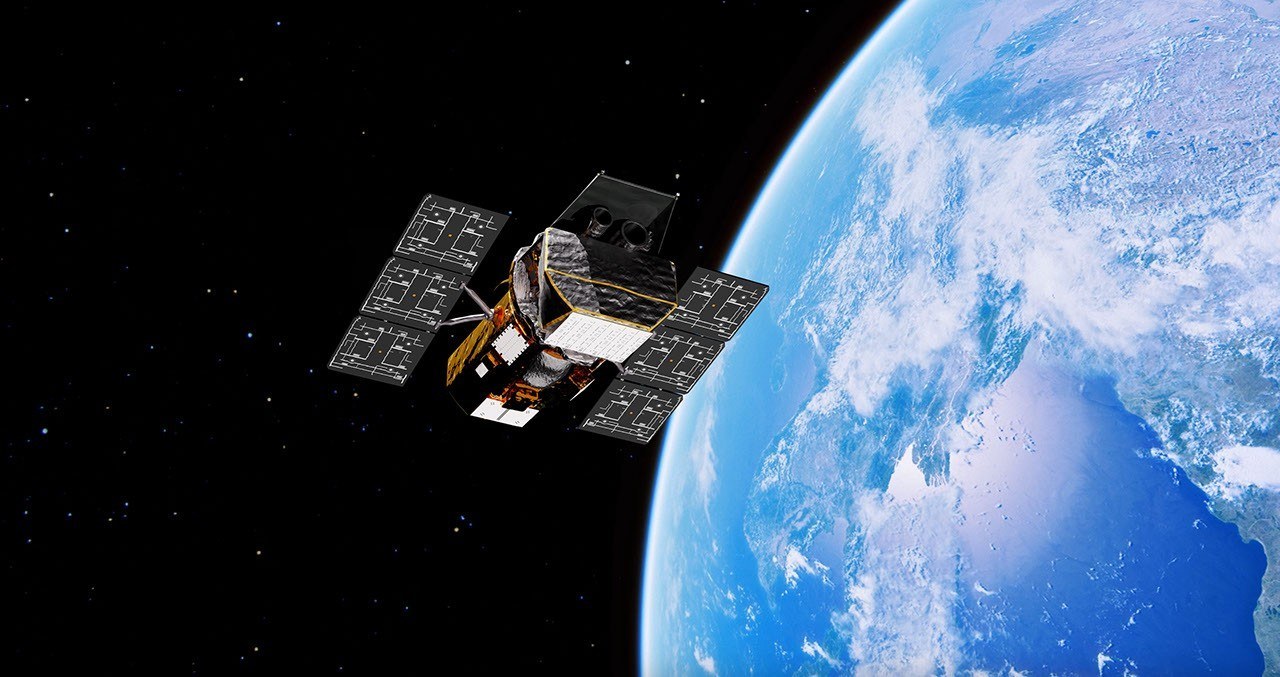
NASA's Neil Gehrels Swift Observatory is nearing the end of its orbital mission. The approximately 1.45-ton spacecraft, launched in November 2004, is set to re-enter Earth's atmosphere on November 4.
According to a forecast by the U.S. Space Force, published by NASA on November 2, the estimated time of the event is around 13:30 Tashkent time. However, the uncertainty is 11 hours, so this estimate cannot be considered the precise time of orbital decay.
Most of the structure is expected to break apart and burn up in the atmosphere. Some components may survive. NASA assesses the risk of harm to anyone on Earth as low. The potential impact zone for fragments is limited to latitudes between 20.6° north and 20.6° south—Uzbekistan lies outside this area.

Swift's orbit has been decaying due to atmospheric drag, which has intensified amid heightened solar activity. NASA attempted to extend the observatory's mission through the Swift Boost initiative: the Katalyst Space LINK spacecraft was supposed to capture and raise its altitude. However, issues with LINK's attitude control prevented the maneuver from being executed.
Swift conducted its final scientific observations on October 20. After descending to approximately 275 km, the spacecraft entered safe mode, and the team concluded its operations ahead of atmospheric re-entry.
Originally, the primary mission was designed to last just two years. Ultimately, Swift operated for nearly 22 years, observing gamma-ray bursts, supernovae, black hole activity, comets, and other objects. Its ability to rapidly reorient toward transient events enabled other observatories to join observations promptly.