
Claude helped study a mysterious protein capsule
Researchers at Anthropic used Claude to reconstruct the three-dimensional structure of a vault-like particle from a bacteriophage protein. The model accelerated part of the work but made errors that scientists had to correct
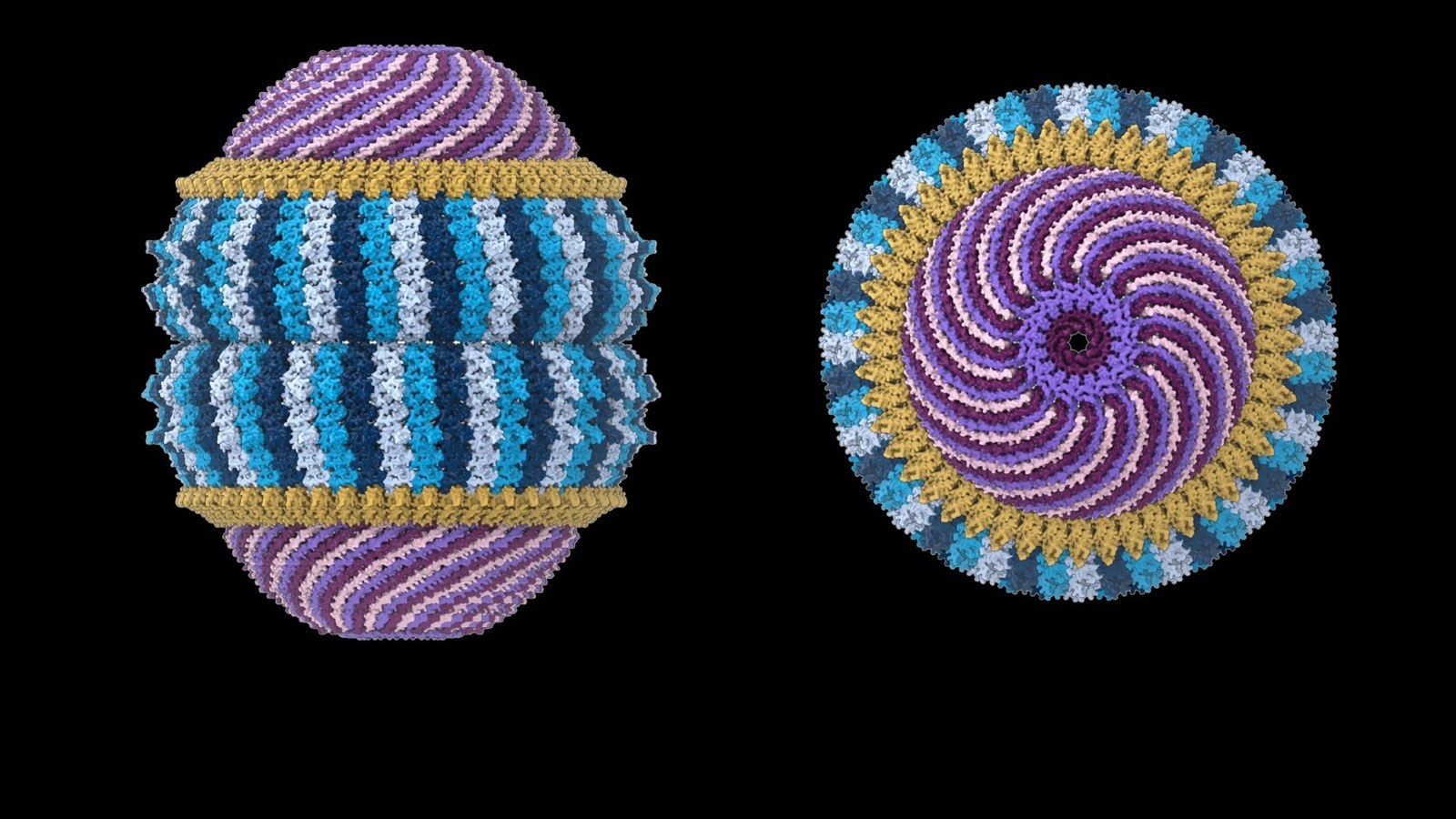
The biological laboratory at Anthropic reported obtaining the first three-dimensional structure of a vault-like particle from a bacteriophage protein, according to the team. For experiments, it was assembled in E. coli bacteria.
Vault particles are large hollow protein shells known since 1986. Their exact biological function remains unclear. The new study also did not provide a definitive answer to this question.
Claude assisted in searching for related proteins, preparing DNA constructs, and processing cryo-electron microscopy data. Experiments and analytical decisions remained under the researchers' control.

According to the team's estimate, sample preparation was reduced from approximately three days to 90 minutes. The first structural model was ready in 34 hours, and the final maps took about a week. The studied shell consists of 96 copies of a single protein.
However, one of Claude's recommendations for a laboratory protocol delayed the work by two weeks. During image processing, the model also skipped a standard step and produced an erroneous map.
The results are presented in a preprint submitted to bioRxiv. The team still needs to verify the formation of such particles in their natural host organisms and determine their purpose.