
Lithium-free battery withstands 93,000 cycles — for now, in the lab
Chinese researchers have increased the durability of a zinc-iodine battery using carbon nanotubes. However, a larger prototype has so far only been tested for 350 cycles
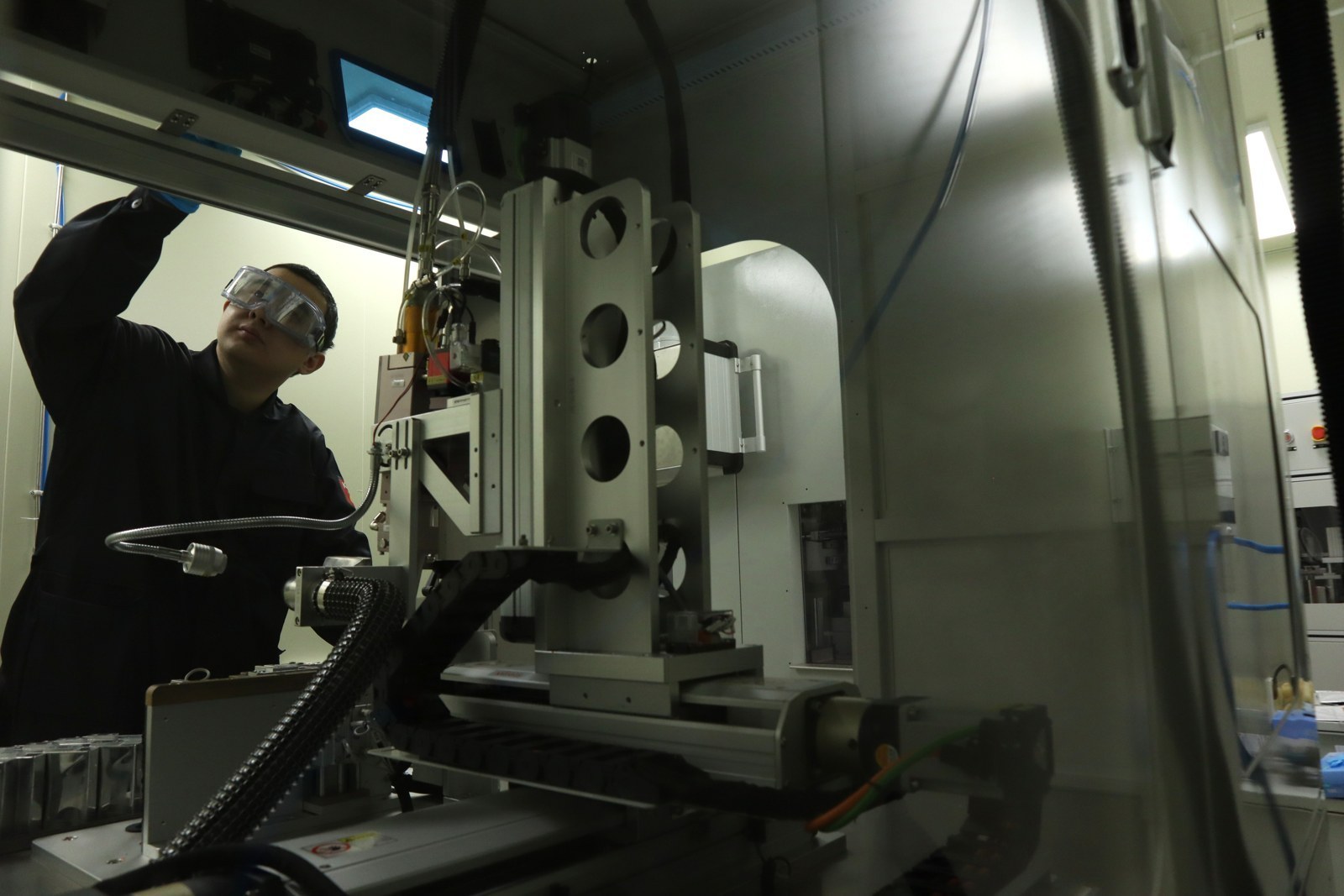
Scientists from Jilin University and the Changchun Institute of Applied Chemistry have developed a cathode for an aqueous zinc-iodine battery that helps slow capacity loss.
One of the problems with such batteries is the movement of soluble iodine compounds between the electrodes. This 'shuttle effect' leads to energy loss and accelerates battery degradation.
The researchers modified the surface of carbon nanotubes by adding hydroxyl groups. These help retain iodine compounds in the cathode and limit their migration through the electrolyte.

In one laboratory test, the battery retained 89.34% of its initial capacity after more than 10,000 cycles. In another, at an increased current density, the number of cycles reached 93,400. These are different test modes: the figures cannot be combined to promise retention of 90% capacity after 93,000 cycles.
The team also assembled a larger prototype containing 150 mg of iodine. At a voltage of approximately 1.1 V, its actual capacity was 23.8 mAh. After 350 cycles, it retained 91.7% of its initial capacity.
The results demonstrate the promise of the approach but do not yet confirm the lifespan of a commercial battery. Before practical application, the technology’s scalability and performance under real-world conditions must be verified.