
Nearly 22 years instead of two: Swift space observatory completes flight in Earth's atmosphere
NASA's Swift observatory entered Earth's atmosphere on 4 November after nearly 22 years of studying cosmic explosions. An attempt to raise its orbit using a separate spacecraft was unsuccessful.
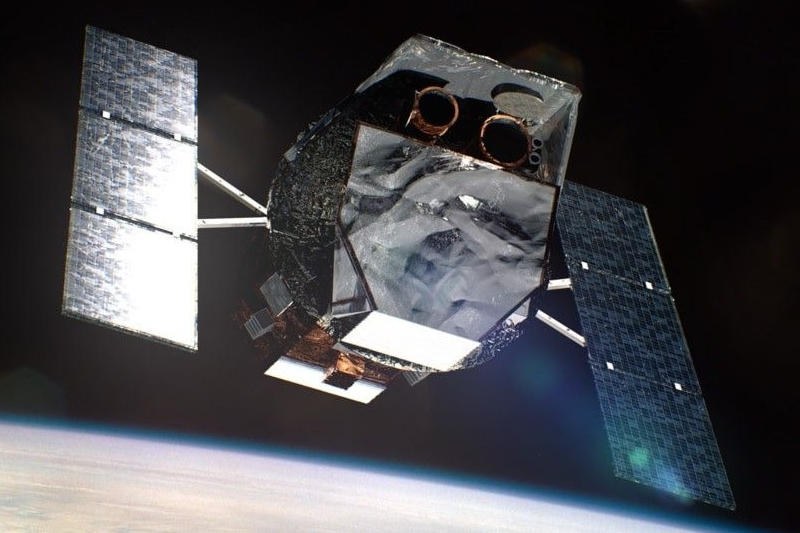
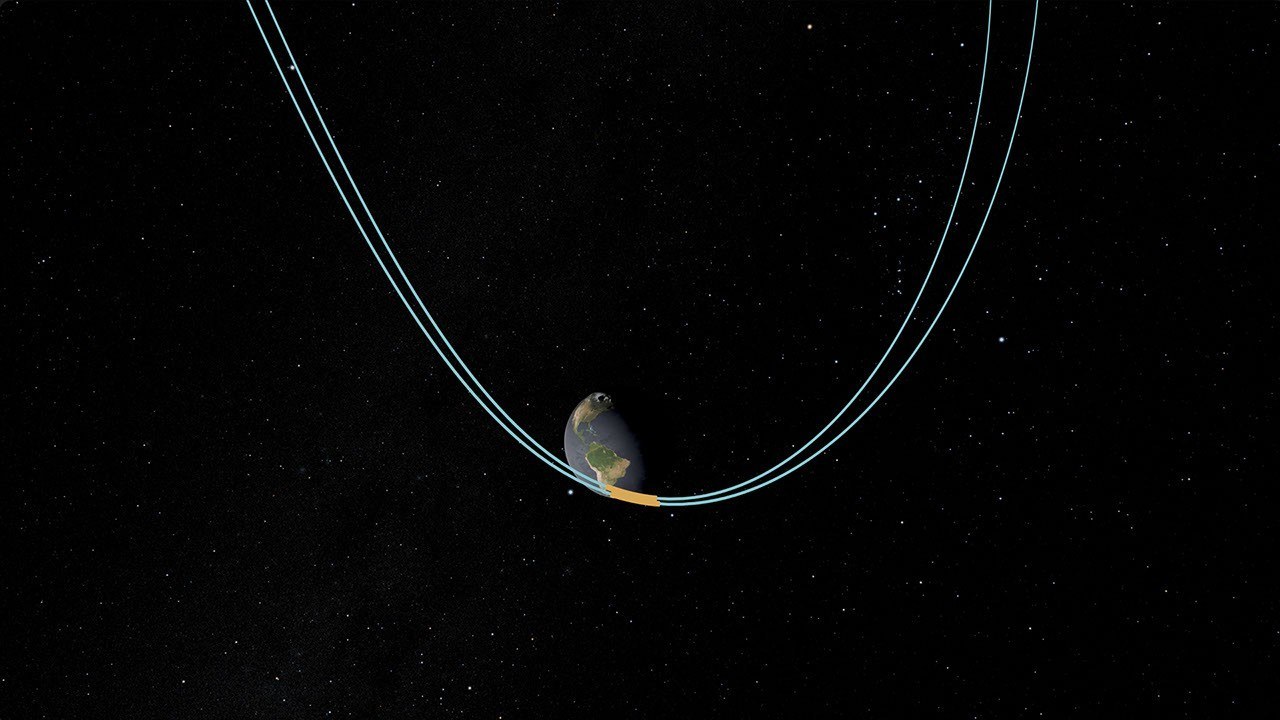
Swift descended from orbit over Southeast Asia. It was expected that most of the spacecraft would burn up in the atmosphere, though some components may have reached Earth's surface. There is currently no confirmed information about any recovered debris.
The observatory was launched in November 2004. Its mission was initially planned to last just two years, but the spacecraft operated for nearly 22 years. Three scientific instruments enabled the study of gamma-ray bursts and their afterglows across different radiation spectra.
A key feature of Swift was its rapid response: the observatory quickly determined the position of a burst and transmitted the coordinates to other telescopes. This helped scientists observe short-lived events that could easily be missed.

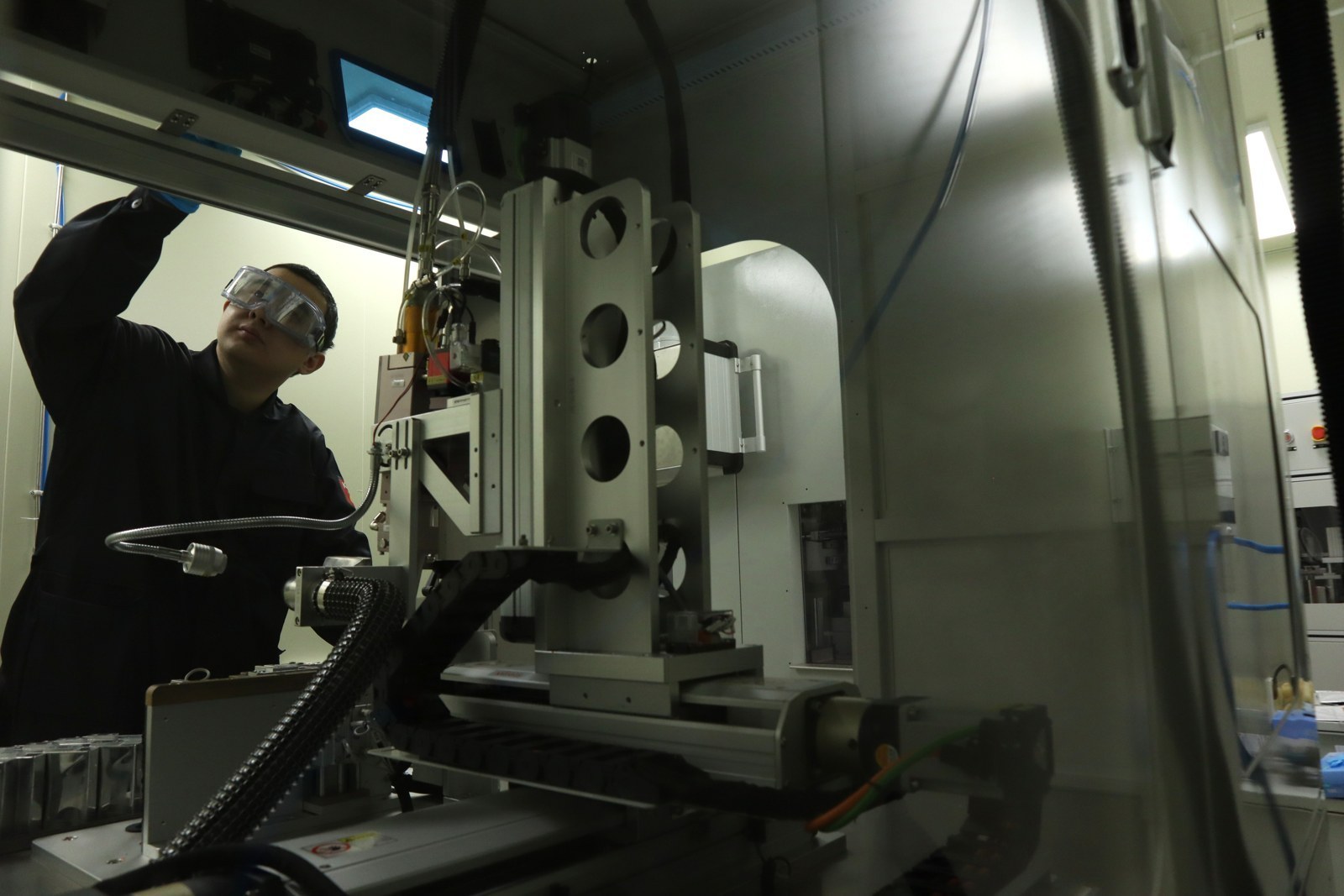
The spacecraft's orbit gradually decayed due to atmospheric drag, which intensified amid heightened solar activity. In the summer, the robotic spacecraft LINK from Katalyst Space Technologies was sent to Swift to raise its orbit. However, technical issues thwarted the rescue operation.
Scientific observations concluded in October. The mission will now continue through researchers working with the accumulated data archive.