
2027 BMW X5 vs. Mercedes GLE: Clear Winner in All Aspects
After initial driving impressions, the 2027 BMW X5 gains an advantage over the Mercedes-AMG GLE thanks to its interior, technology, practicality, handling, and comfort.
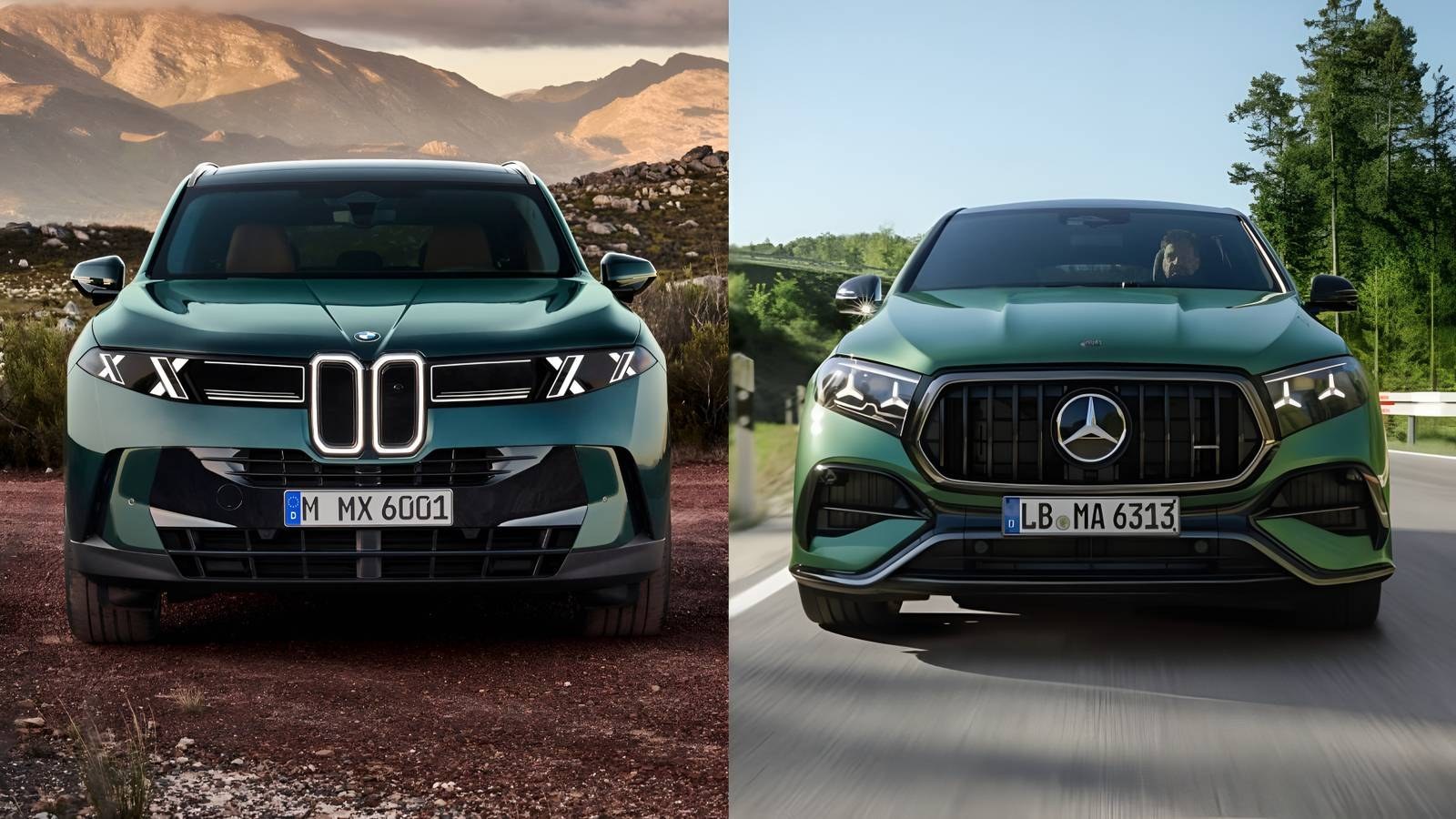
BMW has completely redesigned the X5: the SUV features a taller front end, a larger grille, new headlights, and an updated interior. Mercedes-AMG has taken a more restrained approach with the GLE update—revised headlights, grille, and air intakes, but an almost unchanged silhouette. Visually, the GLE 63 S, especially in the coupe body, looks more sporty.
Inside, BMW has focused on a modern architecture, new materials, soft ambient lighting, and convenient placement of everyday functions. Mercedes retains its familiar interior with high-quality finishes, an AMG sport steering wheel, and available Nappa leather seats. However, the changes in the GLE are less noticeable.
The X5 also holds a technological advantage: its Panoramic iDrive system projects information onto the lower part of the windshield, and the central screen measures 17.9 inches. The MBUX system, based on MB.OS, features three displays, wireless Apple CarPlay and Android Auto, and improved voice control.

The base X5 40 is equipped with an inline six-cylinder turbocharged engine with a mild hybrid system. It delivers 394 hp; rear-wheel drive is standard, with all-wheel drive available for an additional charge. The GLE 53 Hybrid has a combined output of 577 hp, with an electric range of 45 miles. The GLE 63 S, powered by a biturbo V8, produces 603 hp. In terms of power and engine options, Mercedes-AMG comes out ahead.
On the road, the BMW received higher marks for predictability, balance, and the comfort of its adaptive suspension. Mercedes-AMG offers sharper Sport and Sport+ modes, but the X5 more confidently combines sporty handling with the convenience of daily driving. The standard GLE body is more practical than the coupe, which offers less rear headroom and trunk space.