

Where Scientists Draw the Line for AI Agents
The Allen Institute for AI (Ai2) surveyed 17 scientists about the safe development of AI agents. They identified five conditions for trust in such systems and emphasized the researcher's responsibility for their operation.
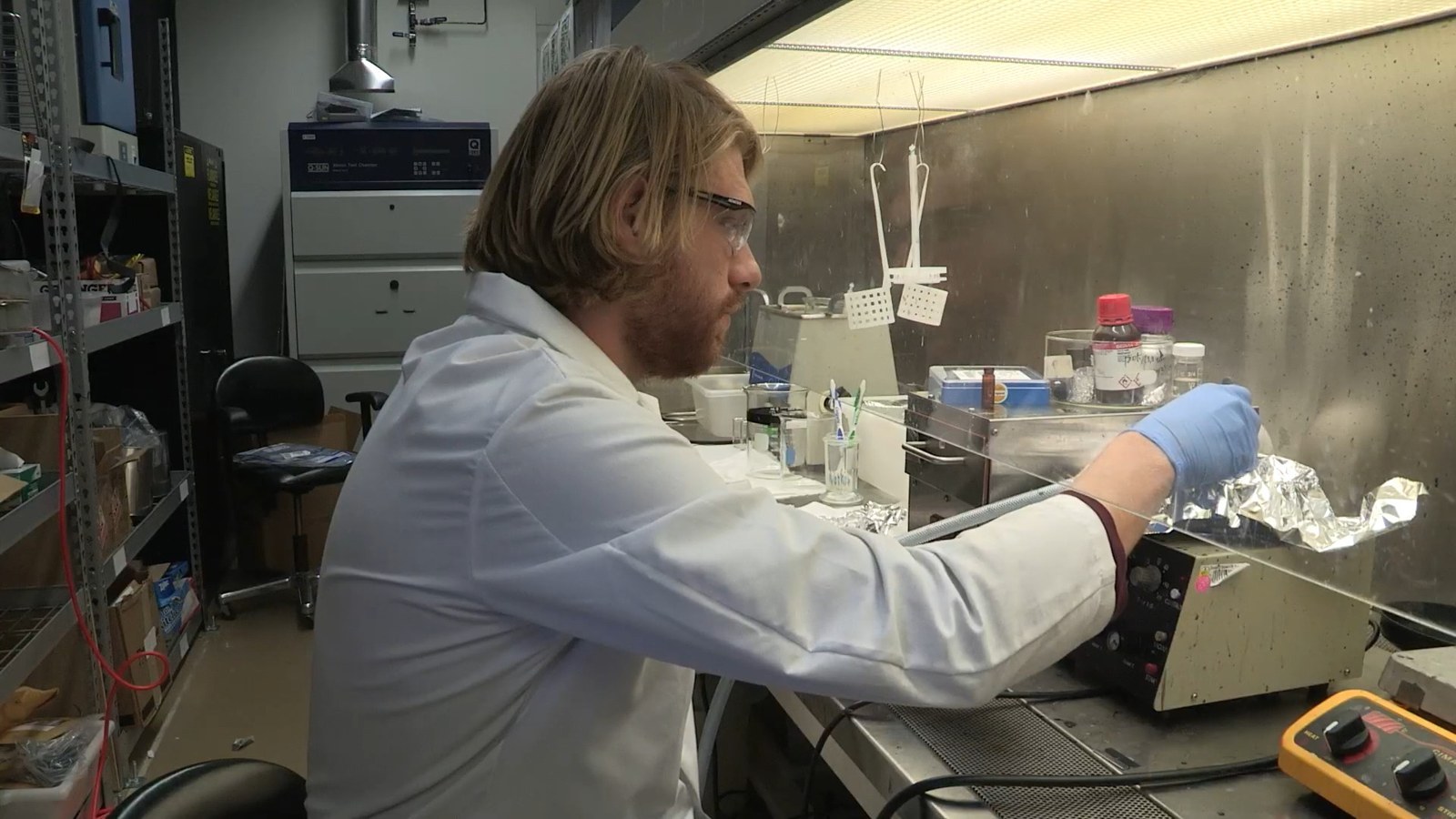
The Allen Institute for AI (Ai2) studied the opinions of specialists in natural, applied, and social sciences regarding the use of AI agents in research. Scientists identified verifiability, confidentiality, objectivity, accountability, and transparency as key conditions for trust.
Agents can process large datasets, write code, describe experiments, and perform administrative tasks. However, it is important for researchers to understand what methods the system used, which files it accessed, and whether the result can be reproduced.
Ai2 suggests evaluating agents not only based on the accuracy of their responses. Tests for literature analysis could detect the omission of contradictory data and unverified conclusions, while checks of software tools could monitor access to files outside the permitted scope. These approaches remain proposals for now.
Scientists differed in their opinions on the boundaries of automation. Some feared the weakening of skills and the dilution of intellectual contribution, while others allowed for the automation of routine procedures and parts of articles. Participants also advocated for the protection of personal data but warned that excessive restrictions could hinder research on political violence and human rights violations.