
We Created a Million Jensen Huangs
After Jensen Huang's resignation announcement, Nvidia's shares lost nearly $1 trillion, and after his return, they surged by 30%. AI will increase companies' dependence on such leaders.
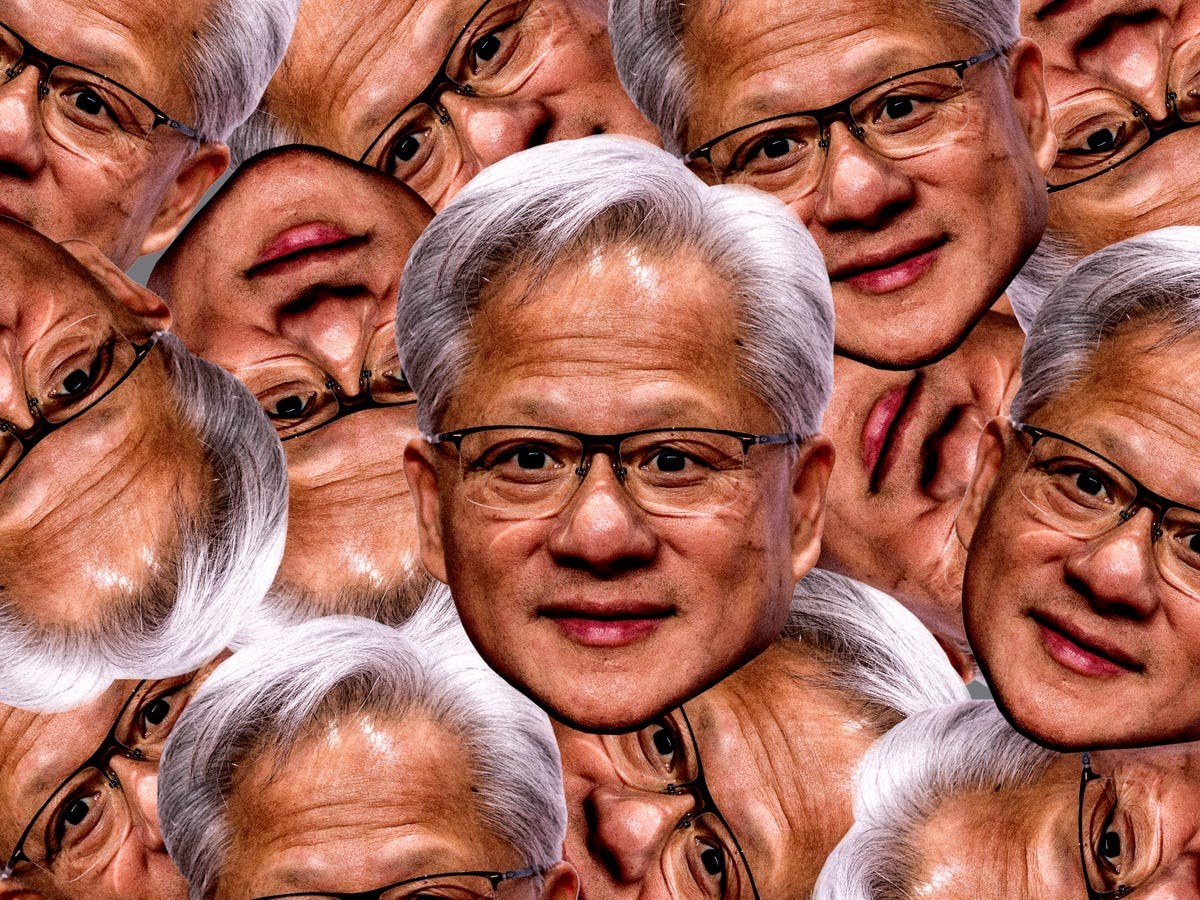
The pressure from Donald Trump became the decisive factor in the return, the article states. However, the author suggests that Huang's restoration was almost inevitable: investors did not believe in Nvidia's future without its leader.
Over three decades, Huang built a management system centered on personal control. He directly managed 60 people, while 40,000 employees weekly documented their priorities. He personally read and commented on many of these reports. Huang also did not consider succession planning mandatory and stated that after his departure, the company would need to be restructured for a new CEO.
The article links this approach to the 'founder mode'—a model where the leader is deeply involved in day-to-day operations. Now, AI allows companies to operate with fewer employees and managers, as well as take on coordination, control, and answering questions. As a result, a CEO can oversee a greater number of processes, including through AI agents analyzing employee communications.
The author believes this will lead to more leaders from whom companies will struggle to part without significant damage. For this reason, many founders welcomed Huang's return, including Elon Musk and Sam Altman.