
Are Expensive Claude and GPT Necessary When Deepseek Flash Is Available?
The author decided to compare AI models in creating a Telegram bot for support: from specifications to working code, to evaluate errors, the extent of assistance, and time costs.
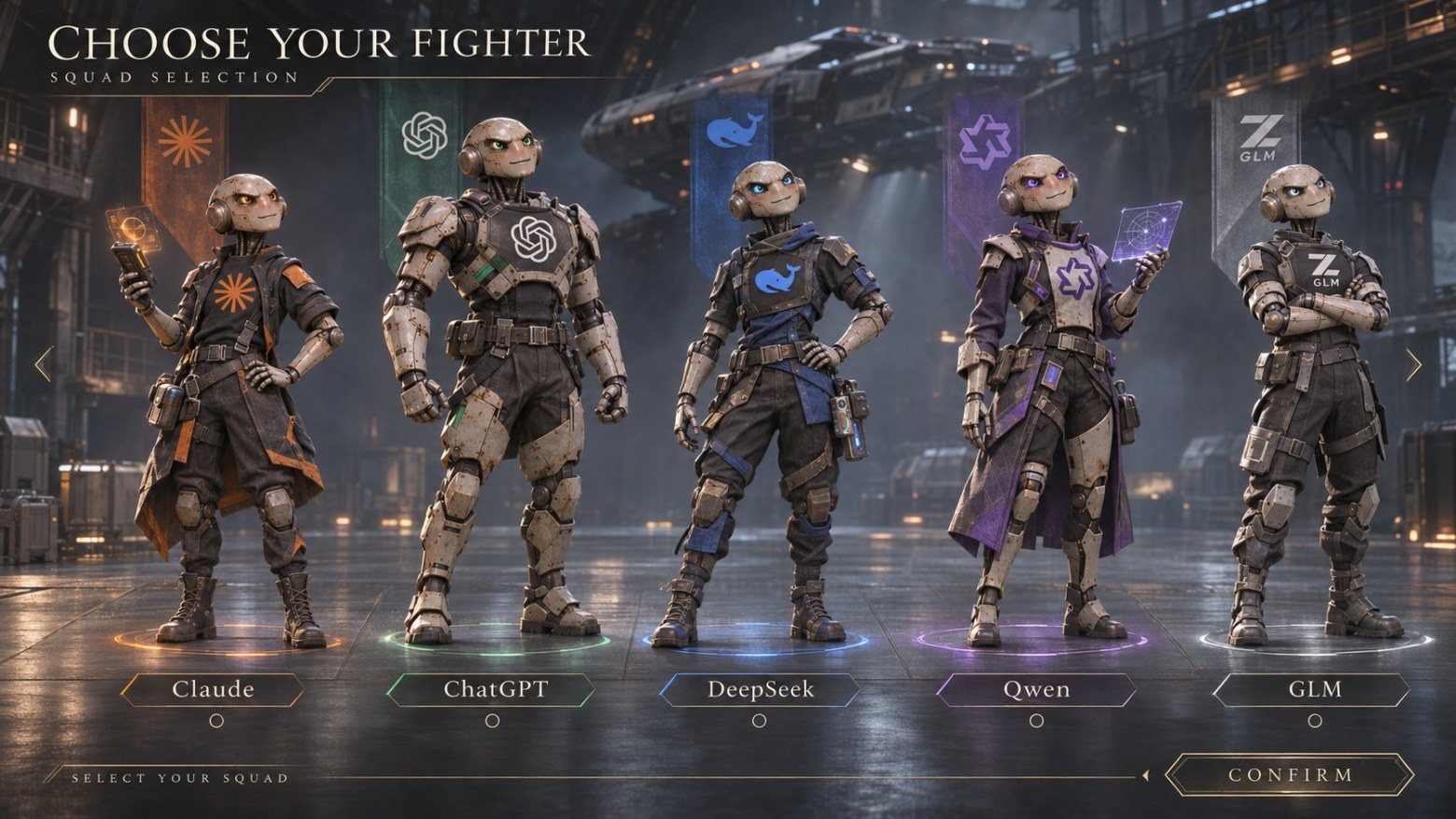
The experiment will test what benefits expensive models provide compared to DeepSeek v4.1 Flash and GLM-5.3 Flash, which the author typically uses in their work. The comparison will be conducted on a project for tracking first-line support requests.
The bot should accept requests, display them in the developers' chat, and allow assigning performers, changing statuses, returning tasks to the queue, and sending reminders. The Mini App includes viewing and filtering requests, while the administrator can manage roles, reassign tasks, and reopen closed requests. The project also includes tests, migrations, a Docker environment, logging, monitoring, and launch instructions.
Special attention is given to operation in Kubernetes: form state is saved in PostgreSQL, permissions are checked on the server, and simultaneous user actions must be processed without conflicts. If a record is saved but the message is not sent to Telegram, a background handler should restore the publication.
Before writing the code, the specification was checked five times for contradictions and inconsistencies. Its preparation and review were performed by Claude Opus 5.5 and GPT-6 Astra. The document pre-defined rules for locks, versioning, transactions, and recovery after failures, so the experiment will primarily show how accurately the models follow detailed requirements.