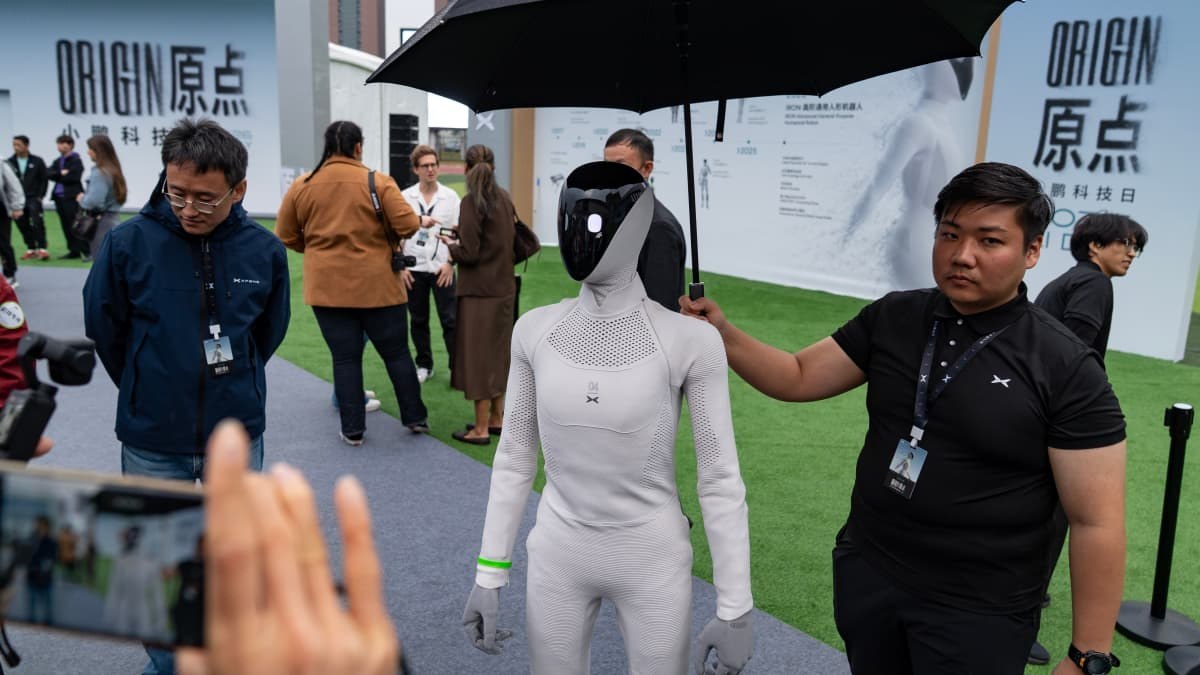

How CAPTCHA is changing in the age of artificial intelligence
CAPTCHA, created to protect websites from bots, is no longer relying solely on images: AI has learned to solve them, so services are shifting to logical tasks and device verification.
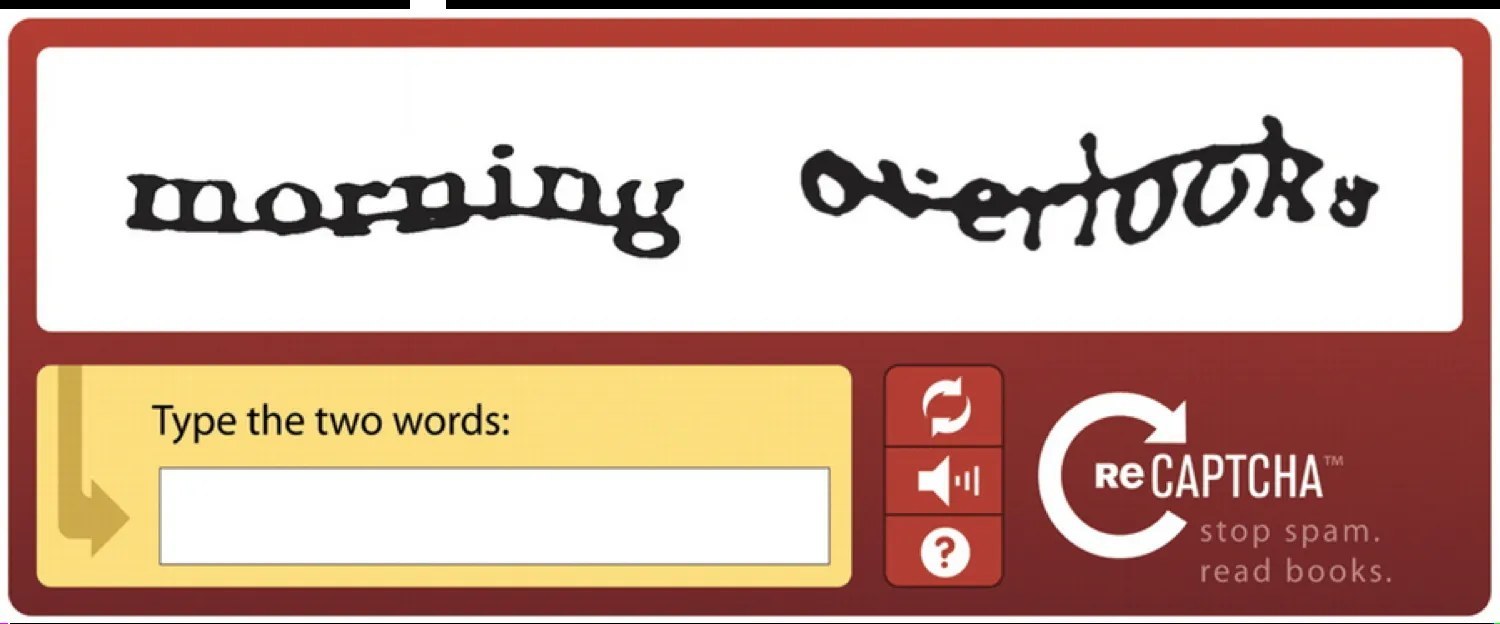
The first CAPTCHAs displayed distorted letters and numbers that were easier for humans to recognize than the programs of that time. In 2003, the technology received its current name. Later, Google acquired reCAPTCHA and began offering users fragments of books and newspapers that OCR had failed to recognize: the answers helped digitize libraries.
Subsequently, verification methods emerged that took into account not only the result of a click. The system analyzed cursor movement and, later, user behavior on the site, and could independently assess whether the user resembled a bot. However, neural networks learned to recognize objects, their shapes, shadows, and perspective. A 2023 study by scientists from the University of California, Irvine, showed that modern AI bots solve CAPTCHAs more accurately and faster than humans.
At the same time, CAPTCHAs create accessibility issues for people with poor vision, dyslexia, and motor impairments. Before the spread of neural networks, attackers bypassed protection through CAPTCHA farms: the image was sent to an operator who manually selected the required squares. For a thousand solutions, such a worker earned about $0.40, while the Anti-Captcha service sold solutions for $0.50 per thousand images.

New systems attempt to verify not just individual objects but the ability to understand conditions and context. hCaptcha may ask users to find patterns in images, while Arkose Labs uses 3D mini-games. GeeTest considers not only the matching fragment but also the speed and trajectory of the slider's movement. In Idena, users must select the correct order of images forming a life story.
Another approach is Private Access Tokens from Cloudflare, Apple, and Google. The browser receives a token through an attestation service, and the device confirms its authenticity and system status using a secure chip. For supported devices, separate verification via Face ID or Touch ID is not required.