
Scientists at Virginia Tech convert PVC into base for synthetic oil
Scientists at Virginia Tech have developed a process that converts PVC into polyalphaolefin—a component of high-performance synthetic oils—in three hours. Scaling up is still ahead.
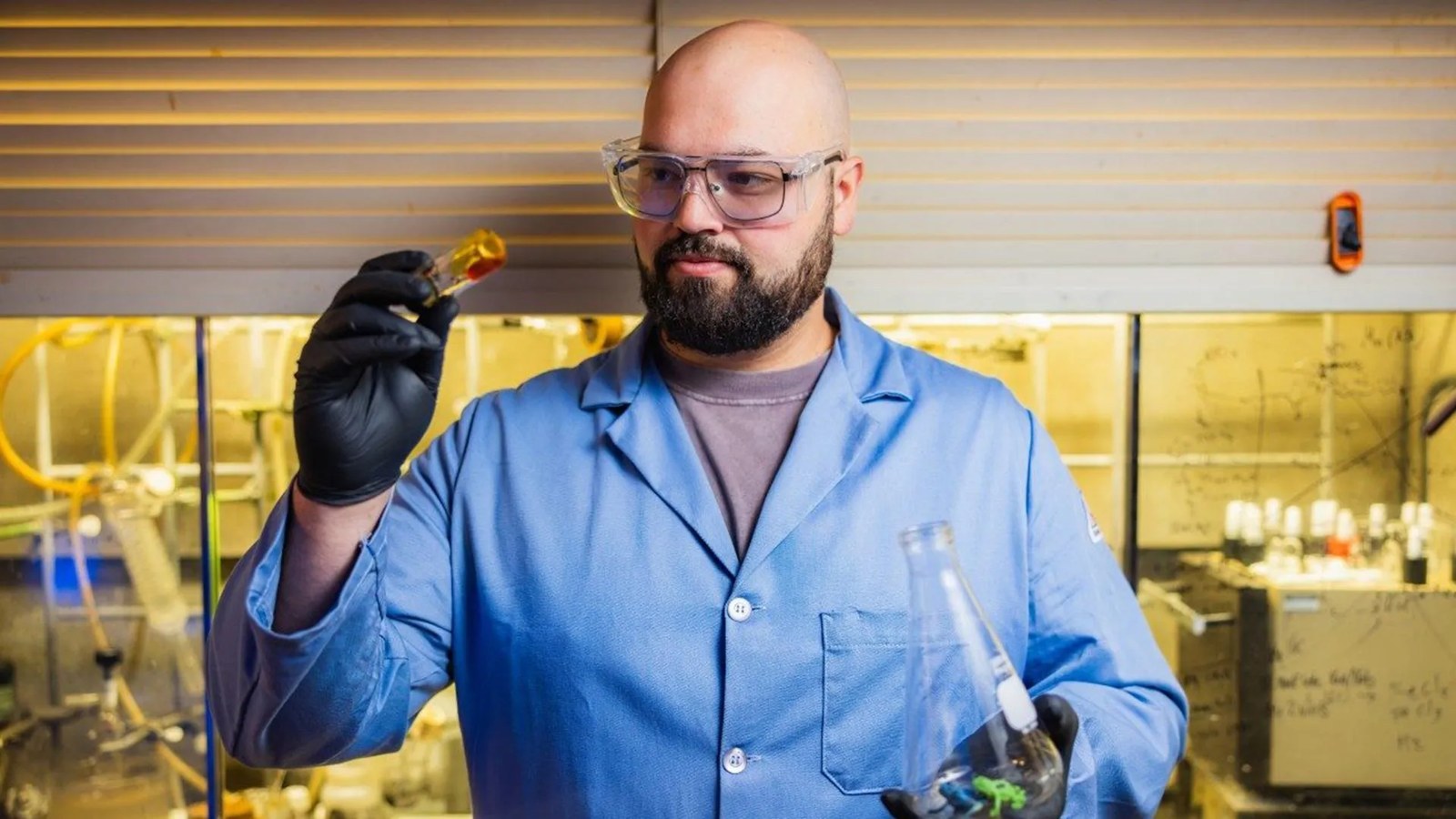
On November 27 in the U.S., Virginia Tech announced the development of a process to recycle polyvinyl chloride (PVC) into polyalphaolefin, a base material for synthetic lubricating oils. The study was published in the journal Nature.
The team was led by chemist and engineer Guoliang “Greg” Liu. The scientists place PVC, which is used in pipes, window frames, and plastic cards, into a solvent, then add aluminum trichloride and alpha-olefins. The mixture is heated to 158 degrees Fahrenheit for three hours, after which a relatively viscous lubricating oil is obtained.
PVC is difficult to recycle due to its chlorine content and chemical additives that give the material flexibility, rigidity, and heat resistance. As a result, a significant portion of waste ends up in landfills. The resulting polyalphaolefin belongs to synthetic base oils, which are valued for their stability, lubricating properties, and performance across a wide temperature range.
Researchers from Texas A&M University evaluated the material’s characteristics, specialists from the California Institute of Technology studied the chemical processes, and Virginia Tech prepared models for its large-scale production. The authors emphasize that the technology has so far been demonstrated at the laboratory level; the next task is to improve its environmental efficiency and establish oil production on an industrial scale.